
The Future of Mycelium Construction
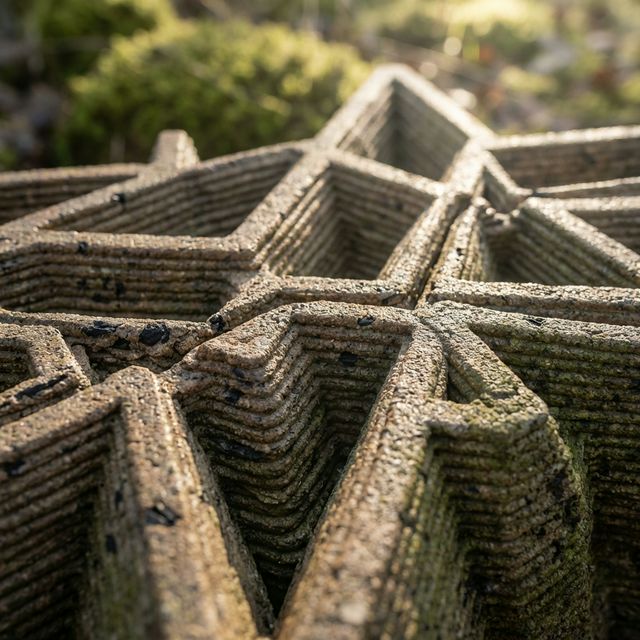
Exploring how fungal networks can be used to bind agricultural waste into structural building blocks, reducing carbon footprints and promoting circular economy principles.
Mycelium-based materials represent a fundamental shift in how we approach construction and manufacturing. For decades, the construction industry has relied on energy-intensive synthetic insulations and carbon-heavy binders. By leveraging the natural vegetative growth of fungal networks—mycelium—we can transform agricultural byproducts like hemp herd, flax, and straw into high-performance, structural building blocks.
This bio-fabrication process is self-assembling and low-energy. Instead of firing clay blocks in high-temperature kilns, mycelium grows at room temperature, consuming agricultural wastes and weaving them together with microscopic chitin threads. The resulting material is not only biodegradable and carbon-negative, but it also possesses excellent insulating and mechanical properties.
Fungal Bio-Fabrication: How It Works
The production process starts with a substrate, typically lignocellulosic waste like chopped hemp hurd. The substrate is pasteurized and inoculated with a specific fungal strain, such as Pleurotus ostreatus (Oyster mushroom). As the hyphae grow, they digest the organic fibers, binding them into a solid, cohesive composite.
Growth Cycle & Kinetics
Inoculated substrates are placed into molds and kept in darkness at 75°F and 90% relative humidity. Over a 5 to 7 day cycle, the mycelium threads bind the fibers together. The growth process is halted by slow-baking the blocks at 180°F for several hours. This deactivates the fungus, halts growth, and dries the block to ensure long-term structural stability.
Material Performance Metrics
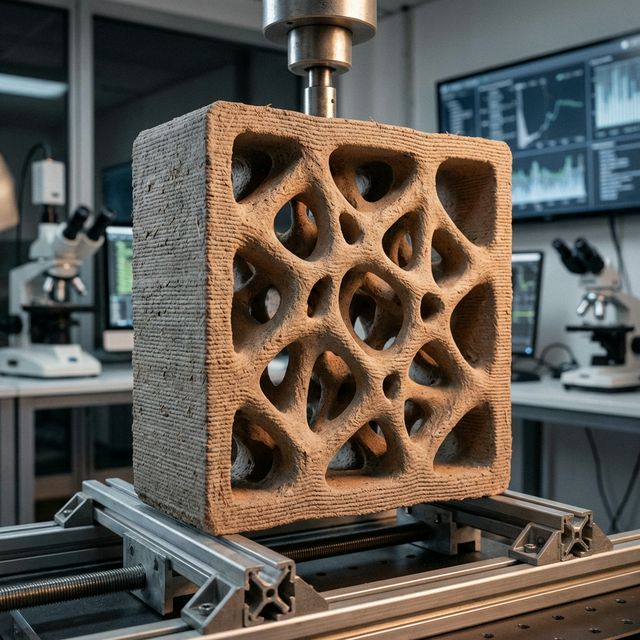
Mycelium composites perform remarkably well compared to traditional building materials. They have a density similar to light wood, yet exhibit impressive compressive strength and flexibility, allowing them to absorb structural impacts without sudden fracturing.
Mycelium doesn't compete with traditional insulation; it beats it. It offers similar thermal R-values while being naturally fire-retardant, structural, and completely compostable at the end of its lifecycle.
Experimental Growth Formula
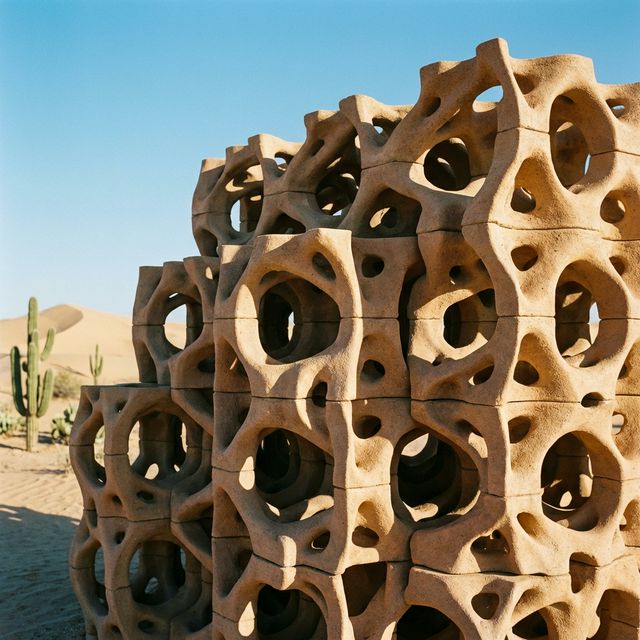
Optimizing the substrate ratio is critical to control density and strength. Below is the standard recipe developed at our Joshua Tree Land Lab to achieve a balance between insulating value and structural rigidity:
# Mycelium Bio-Block Grow Recipe (OGG-MY-04)
substrate:
  primary: Chopped Hemp Hurd (70%)
  supplement: Wheat Bran (25%)
  mineral: Gypsum (Calcium Sulfate) (5%)
inoculum:
  species: Pleurotus ostreatus (Oyster Mushroom spawn)
  ratio_dry_weight: 0.10
hydration:
  target_moisture: 60% - 65%
  water_source: Purified well-water
incubation_parameters:
  temperature: 75°F (24°C)
  relative_humidity: 90%
  carbon_dioxide_ppm: > 5000 (encourages vegetative growth)
  duration_days: 7
finishing_parameters:
  deactivation_temp: 180°F (82°C)
  deactivation_time: 4 hours
  final_moisture_target: < 8%
Acoustic and Fire Resistance
In addition to thermal properties, mycelium composites are highly fire-resistant. The natural shell of the mushroom mycelium contains chitin, a nitrogen-rich biopolymer that acts as a natural flame retardant.
ASTM E84 Fire Testing
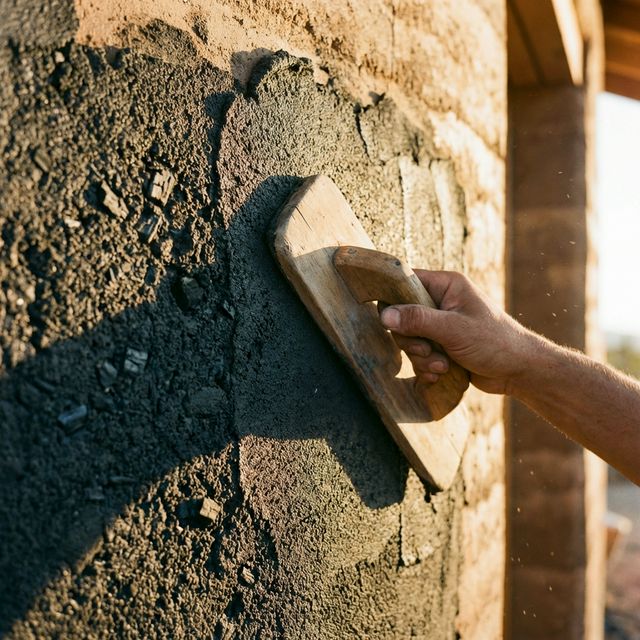
Mycelium-hemp composites achieved a Class A rating under ASTM E84 testing. When exposed to direct flames, the surface forms an insulating char layer that delays ignition and slows heat transmission, releasing no toxic smoke.
Challenges on the Path to Scaling
Despite these biological advantages, transforming mycelium from a niche material into a mass-market construction option requires overcoming several practical obstacles:
- Biological Variation: Growth speeds and densities are sensitive to variations in agricultural waste batches, requiring strict quality control testing.
- Moisture Vulnerability: Raw mycelium blocks are hydrophilic and must be coated with natural water-repelling finishes (such as linseed oil or lime plasters) to prevent moisture rot in high-humidity zones.
- Testing Standards: Creating standardized building code testing profiles specifically for bio-grown components is essential to secure inspector approvals.
Author
Dr. Sarah Chen
Research Lead, Off Grid Green